The Implications of South Korea's NPT Withdrawal and the Future of the Peninsula
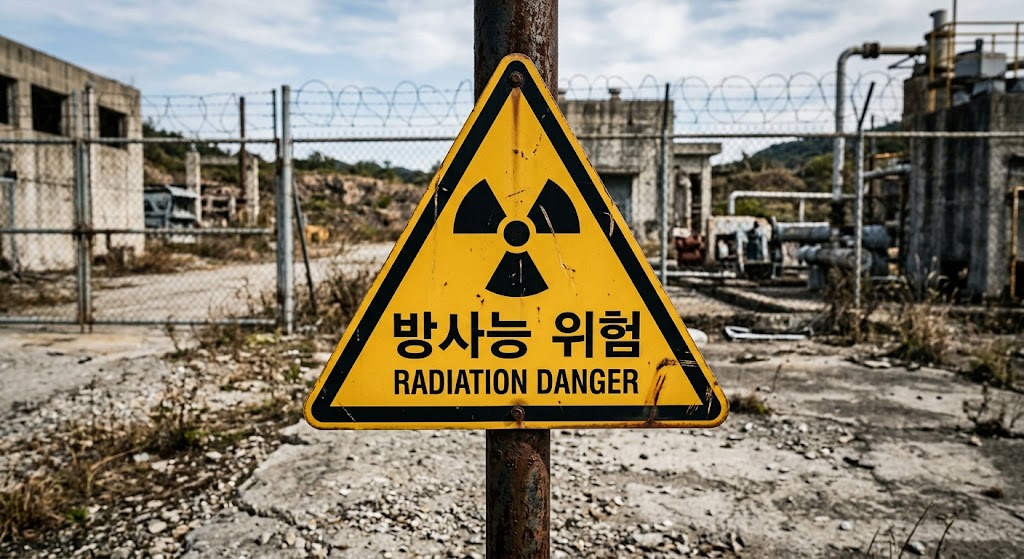
South Korea’s NPT Withdrawal:
Crossing the Rubicon and the Future of a Nation
As of 2026, the security landscape of Northeast Asia is more volatile than ever. The advancement of North Korea's nuclear capabilities and the intensifying hegemony transition between the United States and China have forced South Korea to confront the heavy task of "Self-Reliant Defense." At the heart of this debate lies the ultimate, most controversial option: withdrawing from the Treaty on the Non-Proliferation of Nuclear Weapons (NPT). This move would represent more than just the termination of a treaty; it would signify a total transformation of South Korea’s national identity and long-term survival strategy.
1. Strategic Significance: Seeking a 'Balance of Terror'
Article X, Paragraph 1 of the NPT grants members the right to withdraw if "extraordinary events... have jeopardized the supreme interests of its country." For South Korea to invoke this clause, it would signal a profound shift in geopolitical intent.
A. Declaration of Nuclear Sovereignty
Withdrawing from the NPT is a declaration of independence from total reliance on the U.S. "Extended Deterrence" (the Nuclear Umbrella). It addresses the haunting "Gaullist" question: "Would Washington sacrifice San Francisco for Seoul?" By choosing this path, South Korea seeks strategic autonomy, aiming to counter North Korean threats with its own physical capabilities rather than the promises of an ally.
B. A Direct Challenge to the Global Liberal Order
South Korea has long been the "poster child" of the NPT regime, utilizing the peaceful use of nuclear energy to become a global leader in nuclear power plant exports. Thus, a withdrawal would be perceived as a direct challenge to the rules-based international order. It risks dismantling the "model citizen" brand that South Korea has carefully cultivated over decades.
2. Practical Hurdles: Economic Isolation and Diplomatic Rupture
The immediate aftermath of an NPT withdrawal would not be a victory lap, but a struggle for survival. Nuclear armament is fundamentally an economic and diplomatic problem, not just a scientific one.
- Sanctions from the Nuclear Suppliers Group (NSG): South Korea depends entirely on imported enriched uranium for its nuclear reactors. Withdrawal would likely trigger NSG sanctions, cutting off fuel supplies and potentially paralyzing the domestic power grid, which relies on nuclear energy for roughly 30% of its electricity.
- Collapse of the Export-Led Economy: For a nation deeply integrated into the global supply chain, comprehensive economic sanctions would be devastating. Unlike North Korea, South Korea’s prosperity is tied to global markets (Samsung, Hyundai, SK); a disruption in trade could trigger an economic depression.
- Strains on the ROK-U.S. Alliance: As the primary guardian of the NPT regime, the United States may view a nuclear South Korea as a threat to global stability. This could lead to a fundamental fracture in the Mutual Defense Treaty and potentially the withdrawal of U.S. Forces Korea (USFK).
3. Future Scenarios: Three Possible Paths
The future of a post-NPT South Korea depends on its diplomatic agility and the reaction of the global community.
Scenario A: The 'Israel Model' – Tacit Acceptance
In this scenario, South Korea achieves a nuclear deterrent while maintaining a functional relationship with the U.S. through intense diplomatic bargaining. By positioning its nuclear status as a necessary bulwark against Chinese expansionism, Seoul might gain "silent approval" from Washington. South Korea would then emerge as a powerful middle power, acting as a regional stabilizer.
Scenario B: The 'North Korea Model' – Isolation and Decay
If South Korea pursues nuclear weapons against the will of the international community, it faces severe isolation. Export routes close, the won collapses, and the nation is forced to pivot into a garrison state, pouring all remaining resources into defense at the cost of civil liberties and economic prosperity.
Scenario C: The 'Japan Model' – Nuclear Latency
This is a "smart" alternative to a hard withdrawal. Instead of building the bomb, South Korea renegotiates the ROK-U.S. Nuclear Cooperation Agreement to secure the rights for uranium enrichment and spent fuel reprocessing. This achieves nuclear latency—the ability to go nuclear within months if necessary—providing a powerful deterrent without the immediate costs of treaty withdrawal.
4. Conclusion: A Time for Strategic Patience
Withdrawing from the NPT is not just a change in security policy; it is a "crossing of the Rubicon" that threatens the very framework of prosperity South Korea has built over the last 70 years. While nuclear weapons may offer a sense of security, they could simultaneously demand the sacrifice of the nation's economic vitality.
The future of South Korea lies in its ability to secure the legitimacy of its survival. Whether through "nuclear latency" or a restructured alliance, Seoul must find a third way that preserves its security without forfeiting its place in the global community. Navigating this labyrinth requires more than just technology—it requires the highest level of creative diplomacy.