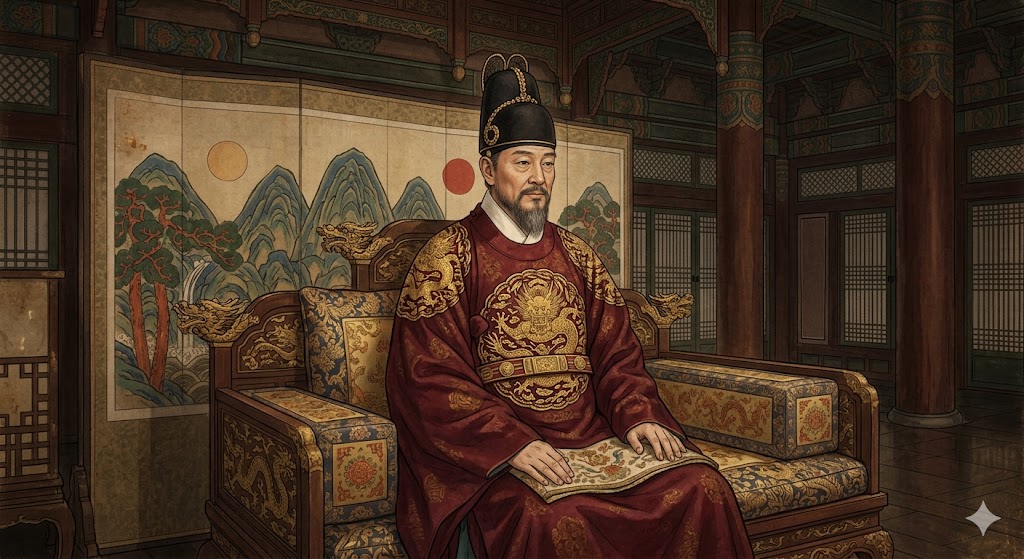
Gyunyeok-beop
(Equalized Tax Law of the Joseon Dynasty)
Definition: Gyunyeok-beop is a major military tax reform enacted in 1751 by King Yeongjo during the late Joseon Dynasty. Its primary goal was to lighten the heavy financial burden on the peasantry regarding military service and to correct the corrupted tax system.
Key Background
- Peasant Burden: Commoners were required to pay a military tax in the form of cloth (Gunpo). However, due to severe corruption, peasants were often forced to pay double or triple their fair share.
- Social Unrest: Malpractices like Gokbal (taxing infants) and Bakgolcheompo (taxing the deceased) led to peasants fleeing their villages, causing a decline in national tax revenue and severe social instability.
Major Changes
| Category | Before Reform | After Reform (Gyunyeok-beop) |
|---|---|---|
| Standard Military Tax (Gunpo) | 2 bolts of cloth per year per person | 1 bolt of cloth per year per person (Reduced by 50%) |
| Deficit Compensation | N/A | Supplemented by taxing wealthy landowners (Gyeoljeon), wealthy commoners (Seonmu-gunpo), and fishing/salt taxes. |
Historical Significance
- Relief for the Peasantry: It directly halved the military tax burden for commoners, stabilizing their livelihoods to some extent.
- State Financial Restructuring: By shifting part of the tax burden to the wealthy landowning class, it laid the groundwork for a more rational and balanced national fiscal policy.