The Evolution of K-Defense

Present Achievements and Future Horizons of the Korean Defense Industry

The South Korean defense industry, popularly known as "K-Defense," has undergone a radical transformation from a heavy reliance on foreign imports to becoming a major global exporter. In an era of shifting geopolitical alliances and supply chain vulnerabilities, South Korea has emerged as a "Strategic Partner for Global Security," offering reliable, high-performance military solutions to nations across Europe, the Middle East, and Southeast Asia.

1. Current Landscape: The Era of K-Defense Renaissance

South Korea currently ranks among the top defense exporters globally, with an ambitious goal to become one of the "Global Top 4" by 2027. This rapid ascent is not merely a result of market opportunity but is built upon decades of rigorous testing, mass production efficiency, and technological maturity.

The Three Pillars of Global Success

  • Unrivaled Delivery Speed: While traditional Western suppliers often face long backlogs, South Korea’s highly active production lines allow for remarkably fast delivery schedules, meeting urgent security needs in record time.
  • Exceptional Cost-Performance: K-Defense platforms offer high-tier technological capabilities—often fully compatible with NATO standards—at a more competitive price point and with higher operational availability than many alternatives.
  • Total Lifecycle Support: Korea offers "Total Solutions," which include local manufacturing hubs, extensive technology transfer, and robust Maintenance, Repair, and Overhaul (MRO) packages to ensure long-term sovereignty for the purchasing nation.

Iconic Defense Platforms

The success of K-Defense is anchored by a few "Best-in-Class" systems. The K9 Thunder Self-Propelled Howitzer currently dominates over 50% of the global tracked howitzer market. The K2 Black Panther Main Battle Tank is widely regarded as one of the most advanced tanks in production today, offering superior mobility and firepower. In the air, the FA-50 Fighting Eagle has proven itself as a versatile and reliable light combat aircraft, while the Cheongung-II (M-SAM) missile system has secured massive contracts in the Middle East, showcasing Korea's prowess in precision interceptor technology.

2. Future Horizons: "Defense 4.0" and the Tech Revolution

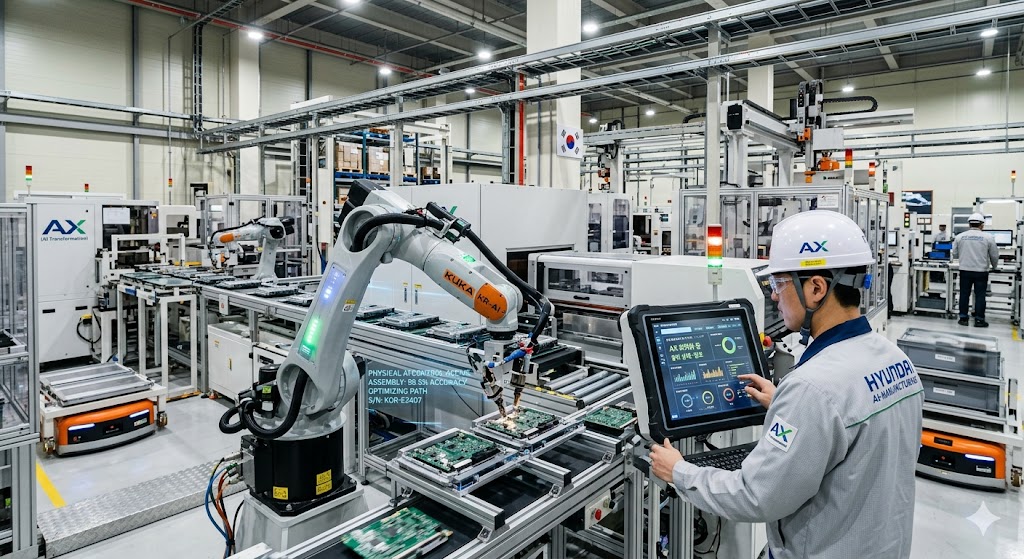
The future of K-Defense lies in the integration of Artificial Intelligence, robotics, and aerospace technology. As the nature of warfare shifts toward data-driven and unmanned operations, Korea is pivoting toward a "Defense 4.0" strategy.

Manned-Unmanned Teaming (MUM-T)

Addressing the challenge of shrinking demographics and the need for zero-casualty operations, Korea is prioritizing MUM-T. This involves the KF-21 Boramae fighter jet operating in conjunction with autonomous "Loyal Wingman" drones, and K2 tanks coordinating with unmanned ground vehicles (UGVs) for reconnaissance and fire support. This synergy maximizes combat effectiveness while significantly reducing risks to human personnel.

Expansion into Space and Cyber Domains

The battlefield is expanding into the final frontier. South Korea is aggressively developing its own low-earth orbit (LEO) reconnaissance satellite constellations to provide real-time intelligence. Furthermore, the development of Directed Energy Weapons (DEW), such as anti-drone laser systems, is positioning Korea at the forefront of neutralizing low-cost threats like UAV swarms with high precision and minimal cost-per-shot.

3. Strategic Challenges and Global Integration

To maintain this momentum and reach the "Top 4" status, several strategic hurdles must be overcome. The industry is currently focusing on "True Independence" and "Global Cooperation."

Focus Area Strategy & Objectives
Core Component Localization Indigenizing high-tech components like aircraft engines and semiconductors to eliminate Export License (E/L) risks.
Global MRO Hubs Establishing maintenance hubs in Europe (Poland), Australia, and the Middle East to provide real-time support.
U.S. Market Entry Collaborating with U.S. prime contractors for major programs like the T-7 Replacement or naval MRO services.
AI & Quantum Integration Investing in 8 core strategic technologies, including Quantum sensing and AI-based autonomous command and control.

Conclusion: A Shield for Freedom

The future of K-Defense is not just about selling equipment; it is about building a collective shield for democratic values. By providing reliable and advanced technology to partners worldwide, South Korea is contributing to a more stable global security architecture.

From the historic legacy of the "Turtle Ships" to the modern marvel of the KF-21, the Korean defense industry remains committed to the principle of "Peace through Strength." As 2027 approaches, K-Defense stands ready to define the next generation of global military standards.

© 2026 K-Defense Strategic Insights. All rights reserved.

The Grand Traverse: 633km Cross-Country Guide

A Comprehensive Strategy for Cycling from Incheon to Busan

Spanning from the Ara West Sea Lock in Incheon to the Nakdong River Estuary Bank in Busan, the 633km Cross-Country (Gukto-jongju) route is a rite of passage for cyclists in Korea. It is more than just a bike path; it is a ribbon of asphalt and concrete that ties together centuries of Joseon history, the scars of the Korean War, and the breathtaking industrial resilience of a modern nation.

1. The Ara & Han River Section: Urban Elegance meets History

The journey begins with a smooth, relatively flat introduction that allows riders to find their rhythm before the real challenges begin.

The Gateway (Ara Path to Seoul)

The Ara Waterway (21km) is a straight, man-made canal path that leads you into the heart of the capital. As you transition into the Han River section, the sheer scale of Seoul’s infrastructure becomes apparent. Riding past the 31 bridges of the Han, you witness the "Miracle on the Han River" firsthand.

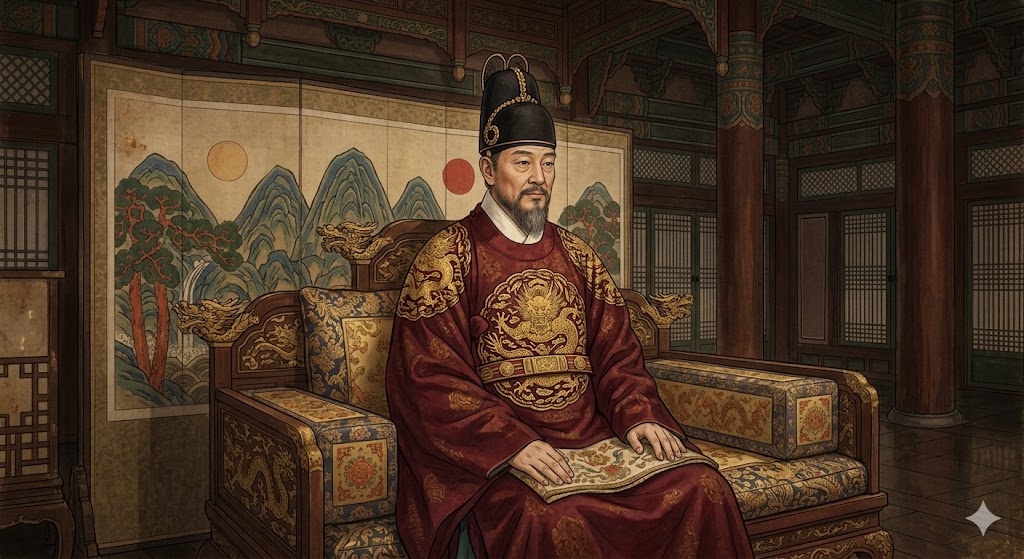
Historical Context: As you head toward Yeoju, the landscape shifts from skyscrapers to serene riverside vistas. This area is steeped in the legacy of King Sejong the Great. Taking a brief detour to Yeongneung (the tomb of King Sejong) offers a moment of quiet reflection on the leadership and scientific innovation that defined the early Joseon era.

2. The Saejae Path: The "Trial of Fire" (Chungju to Sangju)

If the Han River is the warm-up, the Saejae Path is the definitive test of one's resolve. This 100km stretch crosses the Baekdudaegan mountain range.

Ihwaryeong Pass (Elev. 548m)

The legendary Ihwaryeong Pass is the highest point of the entire journey. While a 5km uphill climb sounds daunting, the grade is surprisingly consistent. It is a psychological battle as much as a physical one. As Sun Tzu might suggest in The Art of War, "He who knows when he can fight and when he cannot, will be victorious." Don't race the mountain; maintain a steady cadence, breathe deeply, and focus only on the ten meters in front of you. The descent into Mungyeong is your hard-earned reward—a thrilling 20-minute flight down the mountain.

3. The Nakdong River Section: The Path of Endurance (Sangju to Busan)

Representing over 60% of the total distance, the Nakdong River section is where many cyclists experience "the wall." The scenery is vast, wild, and at times, repetitive.

The Philosophy of Flow

The path follows the winding curves of the Nakdong, Korea’s longest river. In these long, quiet stretches, one finds a meditative state. It mirrors the Taoist concept of Wu Wei (non-doing)—not that you aren't pedaling, but that you are moving in harmony with the river’s flow rather than struggling against it. The path through Daegu and Changnyeong takes you through wetlands and rural heartlands that feel untouched by time.

Strategic Note: This section has fewer convenience stores than the Han River. Always carry extra water and energy gels. The "Upo Marsh" area nearby is a stunning detour if you have the time to witness Korea's natural biodiversity.

4. Strategic & Medical Considerations for the Long Haul

A journey of this magnitude requires a professional approach to physical maintenance and logistical planning.

  • Metabolic Management: To avoid "bonking" (glycogen depletion), aim for a steady intake of 30-60g of carbohydrates per hour. Do not wait until you are hungry to eat; by then, the deficit is already too high.
  • Joint Preservation: Protect the knees by maintaining a high cadence (80-90 RPM). "Mashing" heavy gears may feel faster in the short term, but it places immense strain on the patellar tendons and meniscus. Treat your body like a high-precision instrument—efficient and sustainable.
  • Positioning: Shift your hand positions frequently on the handlebars to prevent ulnar nerve compression (cyclist's palsy). Ensure your saddle height is dialed in to avoid lower back strain.

5. Epilogue: The Reaching of the Sea

Entering Busan through the Eulsukdo Migratory Bird Sanctuary, the air turns salty and the horizon opens up. Crossing the finish line at the Nakdong Estuary Bank is a transformative experience. You started at the West Sea as one person and arrived at the South Sea as another—stronger, more patient, and deeply connected to the geography of the peninsula.

Whether you are managing a medical facility or planning a complex investment, the lessons of the road remain the same: Vision gets you started, but discipline gets you finished. Safe travels on your journey across the land.

© 2026 Korea Cross-Country Cycling Guide | Built for Perseverance and Discovery

Strategic Analysis Report

Samsung Electronics: Navigating Labor Crises & AI Evolution

1. Analysis of Excessive Labor Demands

The National Samsung Electronics Union (NSEU) has initiated a historical shift in labor-management relations by demanding significant wage hikes and a total restructuring of the Overall Performance Incentive (OPI) system[cite: 2, 3]. While employee welfare is critical, the current demands present specific structural risks to the company's long-term health:

  • Cyclical Misalignment: The semiconductor industry is famously volatile. Rigid labor cost increases during downturns—such as the massive 2023 deficits—threaten the cash reserves required for essential R&D and survival[cite: 1, 2].
  • Erosion of Meritocracy: Samsung’s global success is rooted in the principle of "Reward for Performance." Standardizing compensation across divisions regardless of output risks losing elite engineers to competitors like SK Hynix, TSMC, or NVIDIA[cite: 1, 3].

2. Semiconductor Manufacturing Excellence

To understand the high stakes of operational stability, one must consider the complexity of the 8 Essential Processes that transform raw silicon into advanced logic and memory chips[cite: 3].

A single disruption in the "Front-end" or "Back-end" lines can lead to catastrophic losses. For instance, an hour of downtime in a world-class Fab can incur costs reaching hundreds of billions of KRW[cite: 1, 3].

The 8-Stage Lifecycle:

1. Wafer Prep → 2. Oxidation → 3. Photolithography → 4. Etching → 5. Deposition → 6. Metal Interconnect → 7. EDS → 8. Packaging[cite: 3].

3. Future Outlook: The AI & Foundry Roadmap

Despite current friction, Samsung is doubling down on "First Mover" technologies to reclaim dominance in the AI era[cite: 1, 3].

Focus Area Core Technology Impact Projection (2025-2027)
Memory HBM4 (6th Gen) Integration of logic and memory to dominate AI server supply[cite: 2, 3].
Foundry 2nm GAA Node Superior power efficiency over competitor FinFET structures[cite: 1, 3].
System LSI AI-enhanced Exynos Market lead in "On-Device AI" for mobile ecosystems[cite: 3].
Critical Risk Factor: Capital expenditure is expected to remain high, with CAPEX ≈ 55-60 Trillion KRW annually[cite: 2, 3]. However, if labor costs outpace productivity, the ROI for new Fabs in Pyeongtaek and Taylor, Texas, will diminish, potentially delaying the critical 1.4nm transition[cite: 3].

4. Conclusion

Samsung Electronics stands at a pivotal junction where internal cohesion is as vital as technological innovation[cite: 2]. The resolution of labor disputes must shift from "distribution conflict" to "cooperative growth" to ensure the company does not miss the "Golden Time" for HBM4 and next-generation Foundry verification[cite: 3]. If Samsung stabilizes its organization and successfully ramps up its 2nm GAA process, it will solidify its status as the foundational provider for the AI revolution[cite: 1, 3].

© 2026 Samsung Strategic Research Group | Confidential and Proprietary

Strategic Analysis: Camp Humphreys

Located in Pyeongtaek, South Korea, Camp Humphreys is far more than a mere military installation; it represents the epicenter of the ROK-U.S. Alliance and a cornerstone of stability in Northeast Asia. Spanning approximately 3,500 acres (14.7 square kilometers), it is the largest overseas U.S. military base in the world. This report details its geographical advantages, structural merits, and its pivotal role in the future of Indo-Pacific security.

1. Geographical Location and Logistics

The selection of Pyeongtaek as the consolidated hub for U.S. forces in Korea was a result of meticulous strategic planning aimed at optimizing response times and logistical endurance.

1.1. The Gateway of the West Sea

The proximity to the Port of Pyeongtaek is a critical asset. As one of the fastest-growing ports in Northeast Asia, it allows for the rapid reception and deployment of heavy military hardware and large-scale reinforcements directly from the continental United States or other regional bases. This maritime access ensures that the base can be sustained indefinitely during a prolonged conflict.

1.2. Intermodal Connectivity

Camp Humphreys is uniquely integrated into South Korea’s national infrastructure. A dedicated rail line links the base directly to the main Pyeongtaek Station, facilitating the swift movement of personnel and equipment to the front lines or southern ports. Furthermore, its location near major expressways allows for seamless ground maneuvers across the peninsula.

1.3. Synergy with Osan Air Base

Situated just a few miles from Osan Air Base (K-55), Camp Humphreys benefits from immediate air support and airlift capabilities. This "Twin Hub" configuration allows for unprecedented army-air force integration, making Pyeongtaek the most lethal concentration of joint military power in the region.

2. Key Advantages and Modern Infrastructure

Camp Humphreys operates as a "city within a city," designed to maintain high readiness while supporting a population of over 40,000 residents, including service members, civilians, and their families.

Category Strategic Advantage
Command Consolidation Unified headquarters for USFK, 8th Army, and United Nations Command, streamlining the C4I (Command, Control, Communications, Computers, and Intelligence) process.
Operational Survival Relocation south of the Han River moved key command assets further from the immediate range of North Korean long-range artillery.
Medical & Readiness Home to the Brian D. Allgood Army Community Hospital, providing world-class trauma and specialized care essential for sustained combat readiness.
Training Capacity Extensive on-base facilities for simulation, small arms, and aviation maneuvers, allowing for "train as you fight" scenarios without leaving the wire.

3. Importance of Future Strategy

The transition to the "Pyeongtaek Era" signals a fundamental shift in the mission of U.S. forces in Korea, moving from a static deterrent to a dynamic regional balancer.

3.1. Implementation of Strategic Flexibility

In the 21st century, the role of Camp Humphreys has evolved to support Strategic Flexibility. No longer tied solely to the defense of the DMZ, the forces stationed here can now be projected to address regional contingencies throughout the Indo-Pacific. This makes Pyeongtaek a vital "power projection hub" for maintaining the international rules-based order.

3.2. A Counterweight in the Indo-Pacific

Given its proximity to the Chinese mainland, Camp Humphreys serves as a significant geopolitical deterrent. It functions as a forward-deployed outpost that monitors and balances the shifting power dynamics in the Yellow Sea and the Taiwan Strait. The sophisticated intelligence and surveillance assets housed here provide the U.S. and its allies with a comprehensive "eye" over Northeast Asia.

"The concentration of advanced military hardware and command structures in Pyeongtaek creates an 'Area Denial' zone that complicates the strategic calculus of any potential adversary in the region."

3.3. Economic and Technological Synergy

The future of Camp Humphreys is also intertwined with South Korea’s technological prowess. Located near the world’s largest semiconductor cluster (Samsung Electronics Pyeongtaek Campus), the base sits at the heart of a "Security-Tech Corridor." This proximity fosters a unique environment where national security and global economic stability are physically and strategically linked.

Conclusion: The Ultimate Security Asset

Camp Humphreys is the physical manifestation of the ironclad ROK-U.S. Alliance. It represents a multi-billion dollar investment in peace, shifting the center of gravity of the American military presence to a location that is more defensible, more efficient, and more strategically relevant than ever before. As we look toward an era of great power competition and technological warfare, the strategic value of Pyeongtaek will only continue to escalate, serving as the ultimate guarantor of freedom and stability in the Indo-Pacific region.

Cheonggyecheon: Seoul's Blue Vein, Captivating the World

Evolution into a Symbol of Urban Renewal and a Global Travel Essential

In the heart of South Korea’s dynamic capital, Cheonggyecheon Stream flows as a testament to transformative change. Once buried under a dark, concrete elevated highway in the early 2000s, this waterway has redefined Seoul’s identity since its restoration. As of 2026, it stands not just as a restored stream, but as "Seoul’s Living Room"—a must-visit destination for travelers from every corner of the globe.


1. From Gray City to Blue Oasis: The Historical Miracle

The history of Cheonggyecheon mirrors the turbulent modern history of Korea. Following the Korean War, it became a symbol of poverty and pollution, eventually covered in concrete during the 1960s under the banner of "modernization." The massive elevated highway that once sat atop it was a pride of industrialization, but over time, it became an aging eyesore and a source of environmental decay.

The restoration completed in 2005 signaled a massive paradigm shift in urban planning. It marked the transition from an era that sacrificed nature for economic growth to one that prioritizes ecology and quality of life. Today, it acts as the "lungs of the city," lowering urban temperatures and serving as a sanctuary for herons, ducks, and various fish.


2. 3 Reasons Global Travelers are Wild About Cheonggyecheon

According to 2026 travel trends, Cheonggyecheon ranks alongside Gyeongbokgung Palace and Myeong-dong as a top Seoul attraction. Here is why the world is falling in love with it:

① The Essence of 'K-Healing'

For those used to the frantic pace of NYC, London, or Tokyo, Seoul can feel incredibly fast. However, the moment you step down into the Cheonggyecheon walkway, the city noise miraculously fades away. Travelers call it an "Urban Sanctuary." Simply listening to the sound of flowing water—a practice Koreans call "Mul-meong"—is rated as the ultimate relaxation during a busy travel itinerary.

② A Visual Intersection of Past and Future

Walking the stream allows you to see the Gwangtonggyo Bridge (from the Joseon Dynasty) set against a backdrop of ultra-modern glass skyscrapers. This contrast provides a visceral understanding of Korea's unique harmony between tradition and modernity. At night, the reflection of neon lights on the water creates a "Cyberpunk" aesthetic that is a dream for photographers and social media creators.

③ The Stepping Stone Experience

The "Stepping Stones" (Jinggeom-dari) are a novel feature rarely seen in Western urban rivers. Crossing the stream by hopping from stone to stone has become a viral sensation on Instagram and TikTok, offering a tactile way for tourists to engage with the city’s landscape rather than just observing it from afar.


3. New 2026 Tour Trends: More Than Just a Walk

The "Cheonggyecheon experience" has evolved into a sophisticated cultural circuit integrated with technology and local subcultures.

  • HiKR Ground Synergy: Located at the stream's starting point, this K-tourism hub uses K-Pop and media art to draw in Gen Z travelers before they begin their walk.
  • The 'Hip-jiro' Connection: The lower part of the stream connects to Euljiro (nicknamed 'Hip-jiro'). It has become standard for tourists to enjoy a nature walk during the day and dive into the "authentic Korea" vibe of Euljiro’s hidden bars and old-school eateries at night.
  • Smart Tourism Tech: AR (Augmented Reality) guides are now placed throughout the path, allowing visitors to see through their phones what the area looked like 100 years ago or during its industrial "covered" phase.

4. A Global Role Model for Urban Renewal

"Cheonggyecheon is a powerful message to urban planners worldwide on how nature and humanity can coexist in a high-density environment."
- Common consensus among international urban engineering experts.

Cheonggyecheon is now more than a tourist spot; it is a classroom. In an era of climate crisis, its success in cooling city temperatures and providing green space is being benchmarked by city governments from Paris to New York.

💡 The Perfect "Half-Day" Course

Maximize your experience with this curated route:

  • Start: 4:00 PM at Cheonggye Plaza (the iconic purple spiral sculpture).
  • Experience: Walk past Gwangtonggyo Bridge and try the Stepping Stones for a photo op.
  • Break: Visit a terrace cafe overlooking the water for some K-desserts.
  • Finish: Walk toward DDP (Dongdaemun Design Plaza) to witness the spectacular night lights and do some late-night shopping.

Conclusion: An Echo of Coexistence

Cheonggyecheon is no longer just a waterway; it is a brand that leaves a lasting impression on the hearts of global visitors. It proves that "Sustainability" and "People-centric design" are the most beautiful ways to build a city.

In 2026, the stream continues to flow, carrying with it Korea’s history, the curiosity of world travelers, and the peaceful leisure of a global metropolis. Its popularity is not just a trend; it is a deep, steady flow that will only grow stronger with time.

© 2026 Seoul Travel Insight. All Rights Reserved.

삼성전자 노사 갈등의 쟁점과 미래 경쟁력 전망

[개요] 본 보고서는 삼성전자 노동조합의 요구사항이 기업 경영에 미치는 실질적인 리스크를 분석하고, 인공지능(AI) 반도체 전쟁이라는 급변하는 환경 속에서 삼성전자가 직면한 도전과 기술적 도약 가능성을 입체적으로 조망합니다.

1. 삼성노조 요구의 핵심 내용과 무리한 지점

최근 전국삼성전자노동조합(전삼노)은 창사 이래 첫 파업을 단행하며 높은 수준의 보상과 제도 개선을 요구하고 있습니다. 그러나 업계 전문가들은 다음과 같은 이유로 노조의 요구가 기업의 기초 체력을 저해할 수 있다고 지적합니다.

1.1. 산업 사이클을 무시한 고정비 증가 요구

반도체 산업은 소위 '붕어빵'을 찍어내듯 일정한 수익이 나는 구조가 아니라, 수조 원의 적자와 흑자를 오가는 극심한 사이클 산업입니다. 노조가 요구하는 높은 기본급 인상률과 고정적 성과급 산정 방식은 업황이 악화되었을 때 기업의 재무적 유연성을 마비시킬 위험이 큽니다. 이는 경쟁사들이 불황기에 연구개발(R&D)에 집중할 때 삼성은 인건비 압박에 시달리게 만드는 결과를 초래할 수 있습니다.

1.2. 성과주의(Meritocracy) 시스템의 붕괴 우려

삼성전자를 글로벌 1위로 만든 원동력은 "성과가 있는 곳에 파격적인 보상이 있다"는 원칙이었습니다. 그러나 노조는 영업이익을 기준으로 모든 직원에게 균등하게 성과급을 배분할 것을 요구하고 있습니다. 이는 치열한 기술 경쟁 현장에서 밤낮없이 연구하는 핵심 엔지니어들의 사기를 꺾고, 조직 전반의 하향 평준화를 불러올 가능성이 큽니다.

2. 노사 갈등 장기화에 따른 경영 리스크 분석

구분 주요 리스크 내용 파급 효과
운영 측면 생산 라인 가동 중단 및 수율 저하 납기 지연으로 인한 글로벌 고객사 이탈
인적 측면 핵심 설계 인력의 경쟁사 이직 가속화 기술 초격차 유지 불가능 (HBM, 파운드리)
대외 측면 브랜드 가치 하락 및 투자 심리 위축 주가 저평가(Korea Discount) 심화

3. 미래 삼성의 전망: 위기와 기회의 분수령

현재 삼성전자는 '샌드위치' 위기에 처해 있습니다. 메모리에서는 SK하이닉스의 추격을, 파운드리에서는 TSMC와의 격차를 줄여야 하는 상황입니다. 하지만 향후 2~3년 내의 대응에 따라 재도약의 기회는 충분합니다.

3.1. 반도체(DS) 부문: HBM4와 2나노 공정의 승부수

삼성은 현재 HBM3E 시장의 검증을 마무리하고, 차세대 HBM4(6세대) 시장에서 주도권을 잡기 위해 총력을 다하고 있습니다. 특히 삼성은 메모리와 파운드리, 첨단 패키징 기술을 모두 보유한 세계 유일의 기업으로, AI 가속기를 제작하려는 빅테크 기업들에게 '원스톱 솔루션'을 제공할 수 있는 강력한 잠재력을 가지고 있습니다.

3.2. 파운드리 부문: GAA 기술의 성숙도 확보

TSMC를 넘어서기 위해 삼성은 세계 최초로 GAA(Gate-All-Around) 구조를 3나노 공정에 도입했습니다. 2025년 양산 예정인 2나노 공정에서 안정적인 수율을 확보한다면, 전력 효율을 중시하는 AI 칩 설계 기업들의 대규모 수주를 이끌어낼 수 있을 것으로 전망됩니다.

4. 지속 가능한 성장을 위한 제언

삼성전자가 현재의 위기를 돌파하기 위해서는 노사 양측의 패러다임 전환이 절실합니다.

  • 노조의 책임 경영 참여: 단순한 임금 인상 투쟁에서 벗어나, 회사의 중장기 경쟁력 강화를 위한 생산성 향상 방안을 함께 고민해야 합니다.
  • 경영진의 투명한 소통: 성과급 산정 기준 등 민감한 이슈에 대해 직원들이 납득할 수 있는 데이터와 비전을 제시하여 내부 불만을 해소해야 합니다.
  • 유연한 조직 문화로의 회귀: 관료주의를 타파하고 엔지니어가 존중받는 문화를 복원하여, 인재들이 삼성에서 꿈을 펼칠 수 있는 환경을 조성해야 합니다.

5. 종합 결론

삼성전자의 미래는 단순히 기술력 하나로 결정되지 않습니다. 내부의 결집된 힘이 뒷받침될 때 비로소 기술 초격차도 의미가 있습니다. 현재의 노사 갈등은 삼성이 '뉴 삼성'으로 거듭나기 위한 일종의 성장통일 수 있습니다. 하지만 이 통증이 장기화되어 골든타임을 놓친다면, 글로벌 반도체 패권 경쟁에서 낙오될 수 있다는 위기감을 노사 모두가 공유해야 합니다.

결국 2026년 이후 삼성의 모습은 현재의 갈등을 어떻게 '상생의 에너지'로 전환하느냐에 달려 있습니다. 기술 혁신의 속도가 인건비 상승과 내부 갈등의 비용을 압도할 때, 삼성은 다시 한번 글로벌 시장의 지배자로 우뚝 설 것입니다.

Guardians of the Ridge:
The Legacy and Future of Korean Mountain Fortresses

Korea is a land where mountains comprise over 70% of the territory. For millennia, these granite peaks were not just scenic backdrops but the very backbone of national survival. The Sanseong (Mountain Fortress) represents a unique defensive philosophy known as "Ipsan Suseong" (Entering the mountains to defend the castle). Unlike the massive walled cities of the plains found in China or Europe, Korean fortresses were built atop rugged ridges to leverage natural terrain as an impenetrable shield.

1. The Scientific Architecture of Sanseong

Korean mountain fortresses were masterpieces of engineering, designed to maximize defensive efficiency with minimal manpower. Their structures were evolved to counter specific siege tactics while preserving the lives of both soldiers and civilians.

Key Structural Elements

  • Chi (Bastion): Rectangular projections from the main wall. These allowed defenders to strike the flanks of enemies attempting to scale the walls, eliminating "blind spots."
  • Ongseong (Barbican): A secondary curved wall protecting the main gate. It forced attackers into a narrow "killing zone" where they could be showered with projectiles from three sides.
  • Yeojang (Parapet): Low battlements atop the wall with embrasures (holes) specifically angled for archers or musketeers to fire while remaining undercover.
  • Guraengi Construction: A sophisticated technique where natural stones were meticulously carved to fit the irregular surfaces of foundation rocks, creating a "Lego-like" interlocking bond that resisted earthquakes and heavy rain.

2. A Chronicle of Resilience: Historical Evolution

The history of Korean fortresses is a timeline of innovation born from necessity. From the iron-willed expansion of the Three Kingdoms to the scientific advancements of the late Joseon Dynasty, each era left its mark on the stone walls.

Historical Era Core Philosophy & Strategy Notable Examples
Three Kingdoms (Goguryeo, Baekje, Silla) Foundational stone-stacking techniques; fortresses acted as offensive bases for territorial expansion. Achasanseong, Gongsanseong, Samnyeonsanseong
Goryeo Dynasty Resistance against nomadic invasions (Khitan, Mongol). Fortresses became temporary capitals for the royal court. Ganghwa Jungseong, Jukjusanseong
Joseon Dynasty Systemization of defense after the Imjin War. Introduction of brickwork and firearms-oriented design. Namhansanseong, Bukhansanseong, Hwaseong (Suwon)
"The fortress is like the shoes of a nation. Just as shoes protect the feet on rough paths, the Sanseong protected the people through the rough paths of history."

The Pinnacle: Suwon Hwaseong

In the late 18th century, King Jeongjo oversaw the construction of Suwon Hwaseong. This fortress was a synthesis of traditional Korean mountain defense and Western military science. Utilizing cranes (Geojunggi) and reinforced bricks, Hwaseong featured an unprecedented level of defensive depth, earning its place as a UNESCO World Heritage site and the crown jewel of Oriental fortress architecture.

3. The Future: From Barriers to Bridges

As the drums of war faded, the Sanseong transitioned into a cultural and spiritual asset. The future of these fortresses lies in their transformation into Smart Heritage and global cultural landmarks.

Digital Reconstruction & Metaverse

Many ancient fortresses, particularly those of the Goguryeo era, currently lie in ruins or are inaccessible. The future utilizes Digital Twin technology to reconstruct these sites in virtual spaces. AR (Augmented Reality) allows modern hikers to look through their smartphones and see the 5th-century battlements rise from the overgrown ridges, bridging the gap between history and the 21st century.

Ecological and Healing Spaces

Korean mountain fortresses are increasingly recognized for their "Bio-Heritage" value. Since they were built along natural ridges, they preserve old-growth forests and biodiversity. The future "Sanseong Trails" are being developed as paths for mental healing, where citizens can walk the same paths as their ancestors, finding peace in the very places that once stood at the center of survival.

K-Heritage on the Global Stage

Following the global success of Korean content, the "Sanseong" is becoming a destination for global travelers seeking authenticity. Future management focuses on storytelling—narrating the tales of the commoners who carried the stones—ensuring that these stone walls are seen not just as military relics, but as monuments to human endurance and community spirit.


A Symphony of Light and Petals

Yeouido Cherry Blossom Night Festival 2026

Midnight Blooms by the Han River

As the sun sets over the Seoul skyline, the Yeouiseo-ro (Yunjung-ro) transforms into a celestial tunnel. Thousands of cherry trees are illuminated by multicolored LED spotlights, casting a dreamlike glow on the delicate white and pink petals.

The Atmosphere: The cool river breeze carries the faint scent of spring, while the distant lights of the IFC Mall and the 63 Building provide a dramatic urban backdrop to the soft, organic beauty of the blossoms.

Visual Highlights

  • Illuminated Canopy: The lights change colors—from soft lavender to warm gold—creating a different mood every few minutes.
  • River Reflections: The view from the Yeouido Hangang Park offers a stunning reflection of the blossoms and city lights on the water's surface.
  • Street Performances: Buskers and acoustic musicians line the path, their melodies blending perfectly with the falling "flower snow."

Visitor Guide for Late April

While the peak of the blossoms typically occurs in early April, the night festival atmosphere remains the highlight of the season. Here is how to make the most of your visit:

  • The Golden Hour: Arrive around 6:30 PM to witness the transition from the "Blue Hour" to the full night illumination.
  • Transport: Use National Assembly Station (Line 9) or Yeouinaru Station (Line 5). Avoid driving as roads are often pedestrian-only during this period.
  • Dress Code: Even in mid-April, the riverfront can be chilly at night. A light jacket or a stylish trench coat is highly recommended.
  • Photography: Night mode on modern smartphones works wonders here. Try to capture the contrast between the dark sky and the glowing petals.

Yeouido Spring Night Guide | Updated April 15, 2026

Enjoy the ethereal beauty of Seoul's most iconic spring night.

```

+ Recent posts