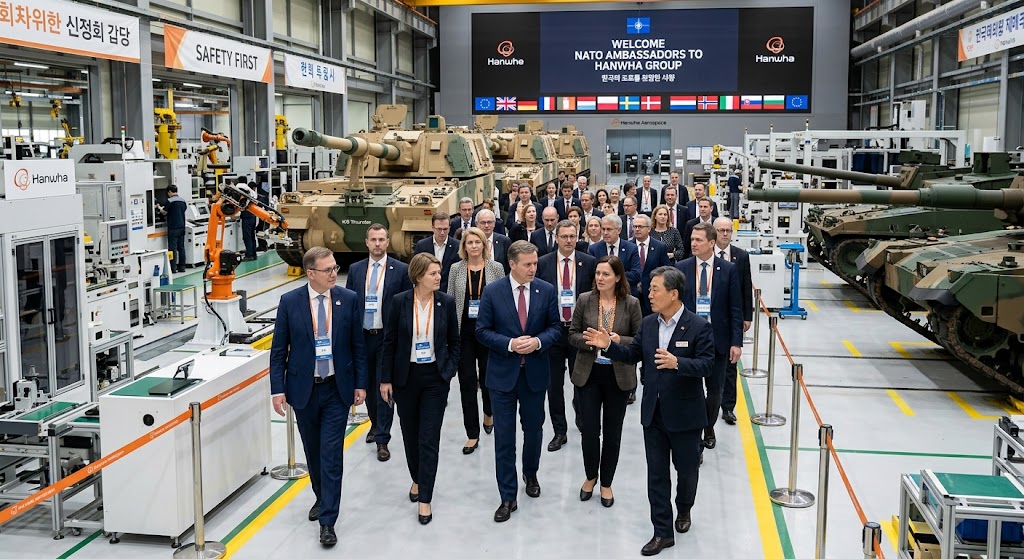
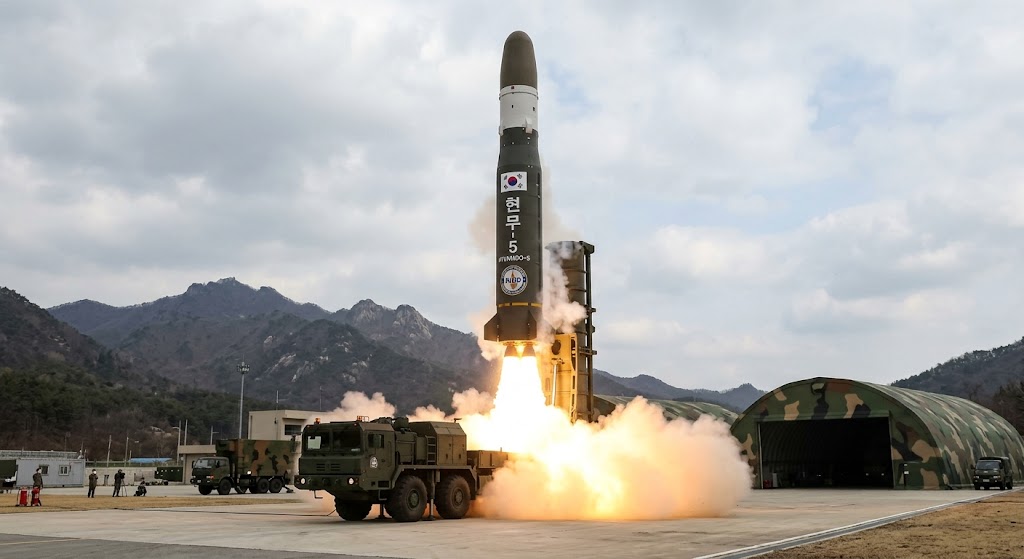
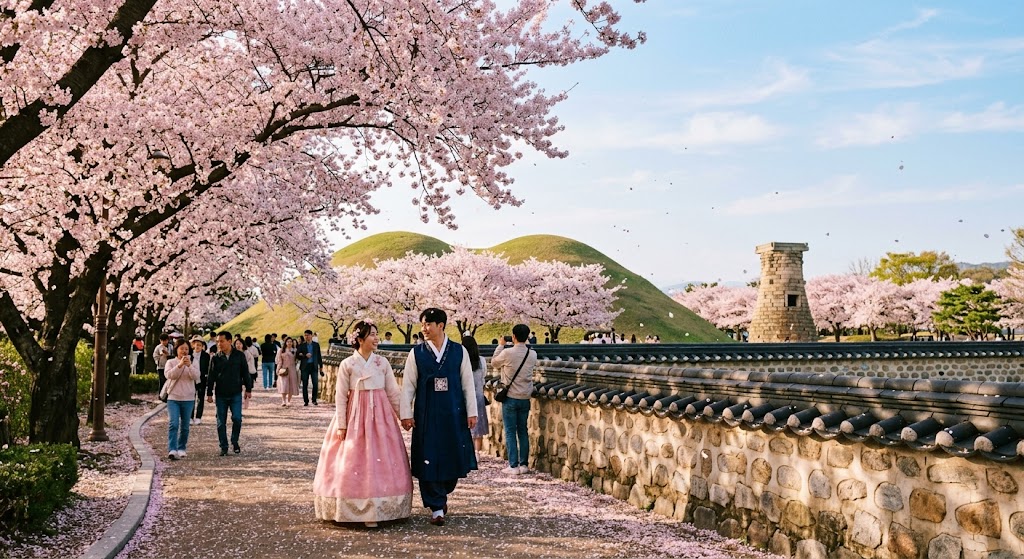
2026년 4월, 북대서양조약기구(NATO)의 최고 의사결정 기구인 북대서양이사회(NAC) 소속 30개국 대사단이 대한민국을 전격 방문했습니다. 이는 단순한 외교적 친선 방문을 넘어, 대한민국이 글로벌 안보 지형에서 중추적인 국가(Global Pivotal State)로 확고히 자리 잡았음을 상징하는 역사적 사건입니다.
1. 방한의 핵심적 배경과 의미
① 인도-태평양과 유럽-대서양 안보의 결합
과거에는 동북아 안보와 유럽 안보가 분리되어 인식되었으나, 최근 북·러 밀착과 글로벌 공급망 위기로 인해 두 지역의 안보는 하나로 묶였습니다. 나토 대사들의 이번 방문은 "한국의 안보가 곧 유럽의 안보"라는 공동 인식을 국제 사회에 공표한 것입니다.
② K-방산의 전략적 가치 재확인
우크라이나 전쟁 이후 유럽 내 무기 재고가 급감한 상황에서, 한국은 나토 규격에 부합하면서도 압도적인 납기 능력과 가성비를 갖춘 유일한 대안으로 떠올랐습니다. 대사단은 이번 방문을 통해 K2 전차, K9 자주포, KF-21 등 핵심 전력의 생산 현장을 직접 점검하며 실질적인 협력 방안을 모색했습니다.
③ 신흥 위협에 대한 공동 대응
전통적인 군사력을 넘어 사이버 테러, 가짜 뉴스(하이브리드 위협), 우주 안보 등 새로운 안보 위협에 공동 대응하기 위한 한국의 기술력을 높이 평가하고 있습니다.
2. 분야별 미래 관계 전망
구분
주요 협력 내용
기대 효과
방위 산업
K2 전차 및 KF-21 기술 협력 확대
유럽 시장 점유율 확대 및 기술 표준 주도
사이버 안보
나토 사이버방어센터(CCDCOE) 공조 강화
글로벌 해킹 위협에 대한 실시간 방어 체계 구축
우주/AI
군사 위성 정보 공유 및 AI 무기 윤리 정립
미래 전장 주도권 확보 및 기술적 우위 유지
공급망
핵심 반도체 및 에너지 인프라 보호
안정적인 경제-안보 연계망 구축
💡 전문가적 시각: 대한민국은 이제 나토의 단순한 파트너를 넘어, '개별 맞춤형 파트너십 프로그램(ITPP)'을 통해 제도적 안보 동맹에 준하는 관계를 형성하고 있습니다. 이는 한반도 유사시 나토 회원국들의 지지를 이끌어낼 수 있는 강력한 외교적 자산이 됩니다.
3. 향후 과제와 시사점
나토와의 긴밀한 관계는 우리에게 큰 기회인 동시에 도전이기도 합니다. 한국은 다음의 방향성을 가지고 미래 관계를 설정해야 합니다.
기술 표준 선점: 우리 무기 체계가 나토의 표준 시스템과 완벽히 호환되도록 기술적 업그레이드를 지속해야 합니다.
외교적 균형: 나토와의 협력이 주변국과의 불필요한 마찰로 이어지지 않도록 정교한 다변화 외교 전략이 필요합니다.
민관 협력 강화: 방산 수출뿐만 아니라 의료, 바이오, 에너지 등 민간 기술이 안보와 결합되는 '포괄적 안보'에 대비해야 합니다.
이번 나토 대사단의 방한은 대한민국이 21세기 국제 질서의 핵심 설계자로 진입했음을 보여주는 이정표입니다. 강력한 국방력과 첨단 기술력을 바탕으로 한 나토와의 동행은 우리 안보를 더욱 튼튼히 할 것입니다.
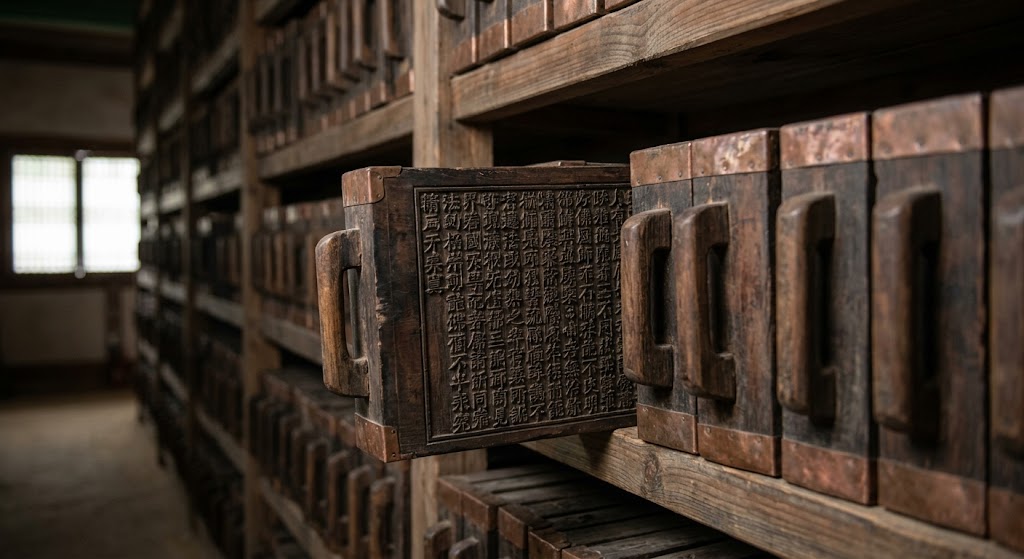
The Tripitaka Koreana (Palman Daejanggyeong), housed in the serene Haeinsa Temple, is far more than a collection of ancient religious texts. It is a masterpiece of medieval engineering, a testament to spiritual endurance, and a pinnacle of pre-modern scientific achievement that has survived for over eight centuries.
1. A Fortress of Faith: Historical Significance
Created during the 13th century (1236–1251), the Tripitaka was a "spiritual weapon" forged during a time of national crisis. As the Mongol Empire launched a brutal invasion of the Goryeo Dynasty, the Korean people turned to their faith.
Motivation: They believed that by carving the Buddha's entire canon into wood with perfect devotion, they could invoke divine protection to repel the invaders.
The Scale: It consists of 81,258 wooden blocks, featuring over 52 million Chinese characters. Remarkably, there is not a single known typo or error in the entire collection.
2. The Miracle of Preservation Science
How did wood—a material prone to rot, warping, and pests—survive 800 years? The secret lies in a sophisticated marriage of nature and engineering.
The Secret of the Wood
Artisans utilized a rigorous preparation process to ensure the wood's immortality:
The Brine Treatment: Logs were soaked in seawater for three years, then cut and boiled in salt water. This process removed resins, prevented cracking, and made the wood naturally resistant to insects.
Lacquer Coating: Each block was coated with a natural lacquer that acted as a waterproof seal and preservative.
The "Living" Architecture: Janggyeong Panjeon
The storage buildings themselves are a scientific marvel, designed to regulate the environment without any modern technology:
Natural Ventilation: The windows are designed with asymmetrical sizes (larger at the bottom on the front, larger at the top on the back). This creates a natural "chimney effect" that maximizes airflow and prevents stagnant humidity.
The Intelligent Floor: The ground is layered with charcoal, salt, lime, and sand. This combination acts as a natural humidifier, absorbing moisture during the wet monsoon season and releasing it during dry winters.
3. A Global Legacy
"The Tripitaka Koreana is the world's most comprehensive and oldest intact version of the Buddhist canon in Hanja (Chinese script)."
Recognizing its immense cultural and scientific value, UNESCO designated the Janggyeong Panjeon as a World Heritage site in 1995, and the woodblocks themselves were added to the Memory of the World Register in 2007.
경상남도 합천 해인사에 보존된 팔만대장경(해인사 대장경판)은 현존하는 세계 목판 대장경 중 가장 오래되고 완벽한 것으로 평가받습니다. 800년이 넘는 세월 동안 전쟁과 화재의 위협 속에서도 원형을 유지할 수 있었던 것은 조상들의 지극한 정성과 시대를 앞선 과학적 설계 덕분이었습니다.
1. 역사적 배경: 몽골의 말발굽 아래 피어난 호국 의지
팔만대장경은 고려 고종 시대(1236~1251년)에 제작되었습니다. 당시 고려는 세계 최강의 군사력을 가진 몽골의 침략으로 국토가 유린당하고 있었습니다.
재조대장경(再彫大藏經)의 의미
본래 고려에는 '초조대장경'이 있었으나 몽골의 침입으로 불타 없어졌습니다. 팔만대장경은 이를 다시 만들었다는 뜻에서 '재조대장경'이라 부릅니다. 이는 단순한 종교적 행위를 넘어, 분열된 민심을 하나로 모으고 국난을 극복하려는 전 국민적 소프트웨어 방어 체계였습니다.
강화도로 수도를 옮긴 긴박한 상황에서도 고려인들은 약 16년에 걸쳐 8만 장이 넘는 목판에 부처님의 말씀을 새겼습니다. 기록에 따르면 제작에 동원된 인원은 수십만 명에 달하며, 글자 하나를 새길 때마다 절을 한 번 올리는 지극한 정성이 들어갔습니다.
2. 재료 공학: 나무의 생명을 영원하게 만드는 가공법
팔만대장경이 썩거나 뒤틀리지 않는 첫 번째 비결은 철저한 원목 가공 과정에 있습니다.
수종 선정: 흔히 자작나무로 알려졌으나, 과학적 분석 결과 산벚나무와 돌배나무가 주를 이뤘습니다. 이들은 재질이 치밀하여 가공이 쉽고 변형이 적습니다.
바닷물 염장(鹽藏): 나무를 베어 3년간 바닷물에 담가 두었습니다. 이는 수분을 고르게 빼고 나무 안의 당분과 지방을 제거해 벌레의 침입을 막는 '천연 방부 처리'입니다.
삶기와 말리기: 염장을 마친 나무를 다시 민물에 삶아 소금기를 뺀 뒤, 그늘에서 3년 동안 말렸습니다. 이 과정을 통해 나무는 '완전 건조' 상태가 되어 더 이상 수축하거나 팽창하지 않게 됩니다.
3. 건축의 신비: 장경판전의 천연 공조 시스템
목판 자체의 품질도 훌륭하지만, 이를 보관하는 해인사 장경판전(유네스코 세계문화유산)은 그 자체가 하나의 거대한 '지능형 보관 창고'입니다.
① 베르누이 원리를 이용한 환기창
장경판전 건물을 보면 앞면과 뒷면의 창 크기가 서로 다릅니다. 이는 공기의 온도와 압력 차를 이용한 고도의 환기 설계입니다.
구분
앞면 창 크기
뒷면 창 크기
과학적 효과
아래 창
크다
작다
건조하고 시원한 공기 유입 극대화
위 창
작다
크다
공기의 대류를 이용해 습기 배출 유도
② 바닥의 자정 작용
장경판전의 바닥은 콘크리트가 아닌 숯, 횟가루, 소금, 모래를 섞어 다진 흙바닥입니다.
"비가 오면 숯과 소금이 습기를 흡수하고, 가뭄이 들면 머금고 있던 습기를 내뿜어 실내 습도를 60% 안팎으로 일정하게 유지합니다."
4. 데이터 정밀도: 5,200만 자의 완벽함
팔만대장경의 총 글자 수는 약 5,266만 자입니다. 이는 오늘날의 한자 사전만큼이나 방대한 양이지만, 현대 학자들이 검토한 결과 오탈자가 거의 발견되지 않았습니다.
또한, 수많은 각수(刻手)가 참여했음에도 불구하고 필체가 마치 한 사람이 쓴 듯 일정합니다. 이는 철저한 교육과 검수 과정이 있었음을 뜻하며, 고려 시대의 기록 관리 시스템이 얼마나 체계적이었는지를 증명합니다.
5. 현대 과학과의 대결
1960년대, 당시 정부는 팔만대장경을 더 안전하게 보관하기 위해 최첨단 공조 시설을 갖춘 콘크리트 보관소를 지었습니다. 하지만 시험적으로 목판을 옮기자마자 결로 현상과 곰팡이가 발생하기 시작했습니다. 결국 현대 과학은 고대의 지혜를 이기지 못하고 보관소 이전을 포기했습니다. 이는 자연과 조화된 선조들의 기술이 얼마나 위대한지를 보여주는 상징적인 사건입니다.
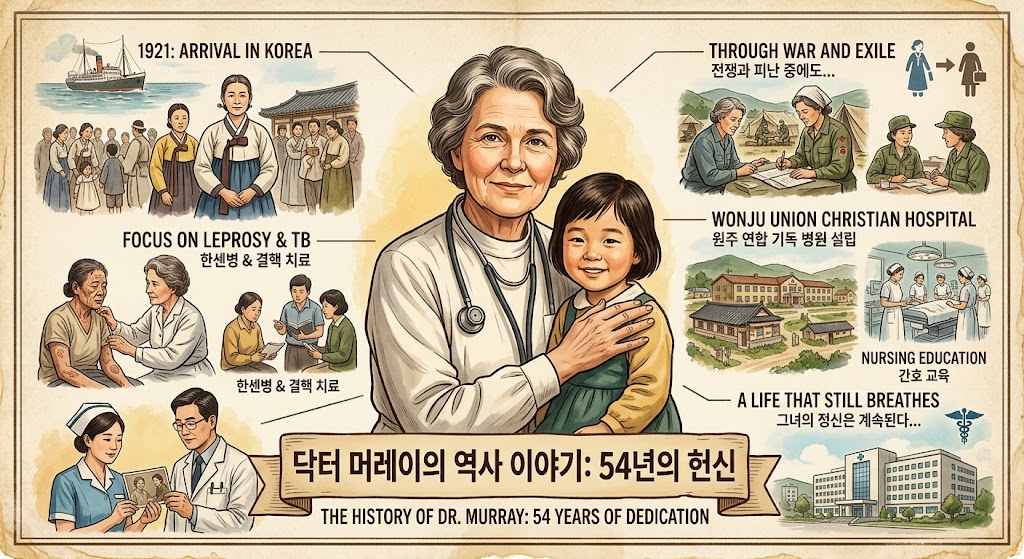
A Legacy of Healing: Dr. Florence Murray’s 54 Years of Dedication
The history of modern medicine in Korea is inextricably linked to the name Dr. Florence Jessie Murray (1894–1975). A Canadian medical missionary, her life was a 54-year odyssey of compassion, spanning colonial rule, the devastation of war, and the eventual rebirth of a nation.
1. The Call to the "Hermit Kingdom"
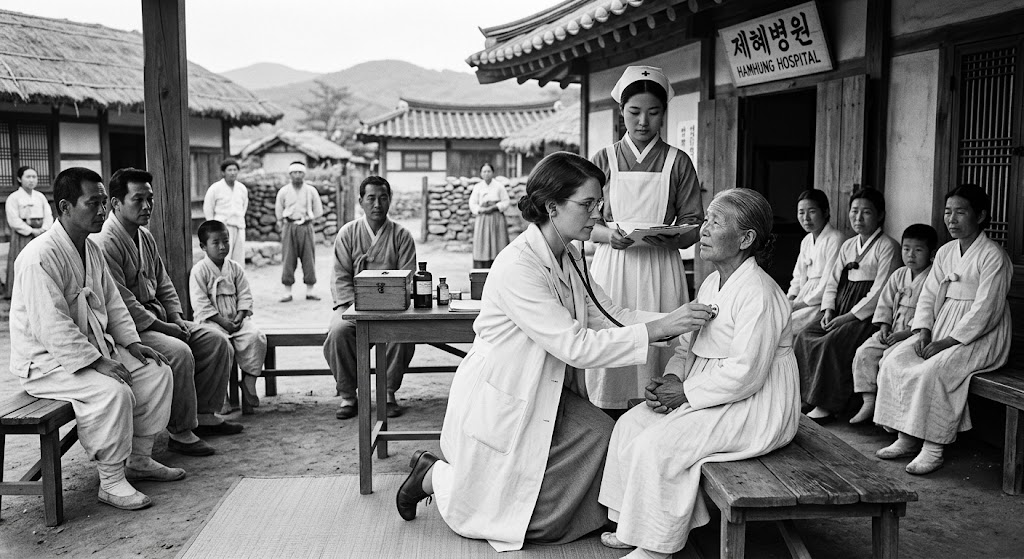
In 1921, Dr. Murray arrived in Korea under the United Church of Canada. She was stationed in Hamhung, South Hamgyong Province. At a time when medical infrastructure was almost non-existent for the local population, she became a pioneer in treating the most stigmatized illnesses:
Hansen’s Disease (Leprosy): She provided medical care and community to those cast out by their families.
Tuberculosis (TB): She fought the widespread "white plague" through early detection and sanatorium care.
Women’s Health: She broke cultural barriers to provide gynecological care to women who previously had no access to doctors.
2. Faith Tested by Fire and War
Dr. Murray’s service was not a quiet one; it was interrupted by the greatest upheavals of the 20th century:
"I did not come to Korea to be a hero. I came to be a neighbor."
World War II Exile: In 1942, she was forcibly deported by the Japanese colonial government. Despite this, she returned immediately in 1947.
The Korean War (1950–1953): While others fled, she remained to treat refugees and wounded soldiers. She operated under the sound of artillery, often in makeshift tents and mobile clinics.
3. The Mother of Wonju Medicine
After the war, Dr. Murray moved to the Gangwon region, which had been decimated by conflict. Her most enduring physical legacy is the establishment of the Wonju Union Christian Hospital (now Yonsei University Wonju College of Medicine) in 1959.
She recognized that a hospital was only as good as its staff, so she founded a Nursing School to ensure that Korean professionals could eventually lead their own healthcare system.
4. Major Contributions at a Glance
Category
Impact & Achievements
Years of Service
54 years (1921–1975, including periods of exile/support).
Medical Focus
Leprosy, TB, Pediatrics, and Surgery.
Education
Trained the first generation of modern Korean surgeons and nurses.
Honors
Awarded the Mogran Medal (Order of Civil Merit) by the Korean government.
Epilogue: A Spirit That Never Left
Dr. Murray retired to Canada in 1969, but her heart never left the peninsula. Upon her passing in 1975, she was remembered not just as a doctor, but as the "Blue-Eyed Mother of Korea." Her life reminds us that true healing involves staying through the darkness until the dawn arrives.
1921년 가을, 캐나다 출신의 젊은 여의사 플로렌스 머레이(Florence J. Murray, 1894~1975)가 부산항에 발을 내디뎠습니다. 당시 일제강점기 치하의 조선은 빈곤과 질병, 그리고 유교적 관습이라는 두터운 벽에 가로막혀 있었습니다. 그녀는 그로부터 1969년 은퇴하기까지 반세기 넘는 시간을 한국의 아픈 역사를 온몸으로 껴안으며 살았습니다.
"나의 집은 캐나다가 아니라 조선이었으며, 나의 심장은 조선 사람들과 함께 뛰었다."
1. 함흥의 새벽: 편견을 깨고 생명을 구하다 (1921~1941)
머레이 박사가 처음 사역을 시작한 곳은 함경남도 함흥의 제혜병원이었습니다. 그녀는 당시 남성 의사에게 몸을 보이기 꺼려하던 조선 여성들에게 구원자와 같은 존재였습니다.
여성 의료의 개척: 가마를 타고 험한 산길을 넘어 왕진을 다니며 부인병과 출산을 돌보았습니다.
나병 환자들의 안식처: 사회에서 버림받은 한센병 환자들을 위해 치료소를 운영하며 인간의 존엄성을 일깨워 주었습니다.
조선 이름 '모의례(牟義禮)': 그녀는 묵묵히 일하는 소처럼 의롭고 예의 바르게 살겠다는 뜻으로 스스로 조선의 이름을 지어 불렀습니다.
2. 전쟁의 포화 속에서: 원주 기적의 시작 (1950~1969)
일제에 의해 추방당했던 그녀는 광복 후 다시 한국으로 돌아왔습니다. 그러나 곧이어 6.25 전쟁이라는 참화가 덮쳤습니다. 머레이 박사는 거제도 피란민 수용소에서 부상병과 아이들을 치료하며 전쟁의 상흔을 어루만졌습니다.
원주연합기독병원의 설립
전쟁이 멈춘 후, 그녀는 폐허가 된 강원도 원주에 터를 잡았습니다. 미군에게 기증받은 천막 하나로 시작한 병원은 오늘날 연세대학교 원주세브란스기독병원으로 성장했습니다. 그녀는 단순히 병을 고치는 것을 넘어, 한국인 간호사를 양성하고 현대적인 보건 시스템을 구축하는 데 평생을 바쳤습니다.
3. 닥터 머레이가 본 조선의 일상과 음식
머레이 박사는 조선의 문화를 진심으로 사랑했습니다. 그녀의 회고록 《내가 사랑한 조선(At the Foot of Dragon Hill)》에는 당시의 생활상이 생생하게 기록되어 있습니다.
구분
닥터 머레이의 기록
주거
온돌의 따뜻함을 '조선의 가장 큰 지혜'라고 찬사함.
음식
시장(광장시장 등)의 북적거림을 좋아했으며, 신선한 어패류와 김치의 매운맛에 점차 매료됨.
사람들
가난 속에서도 선비의 자존심을 잃지 않는 고결한 민족으로 묘사함.
4. 2026년에서 되돌아본 유산
오늘날 대한민국이 세계적인 수준의 의료 인프라를 갖추고, AI 반도체(FuriosaAI 등) 기술을 의료 기기에 접목하는 첨단 국가로 성장한 배경에는 닥터 머레이와 같은 선구자들의 헌신이 있었습니다. 조선 왕실의 역사(덕수궁, 세종대왕 등)가 나라의 뼈대를 이루었다면, 머레이 박사가 뿌린 인술의 씨앗은 현대 한국인의 생명력을 지탱하는 뿌리가 되었습니다.
Geopolitical Outlook: The Strait of Hormuz Post-Negotiation Collapse (2026)
Executive Summary: Following the failure of the Islamabad Peace Summit on April 12, 2026, the diplomatic channel between the United States and Iran has effectively shuttered. This breakdown has transformed the Strait of Hormuz from a commercial artery into a high-stakes military theater. With the U.S. enforcing a "Maximum Blockade" and Iran deploying advanced asymmetric naval assets, the world faces the most significant threat to energy security since the 1970s.
1. The Collapse of Diplomacy and Military Re-posturing
The 2026 negotiations failed primarily over the sequencing of sanctions relief and the scope of Iran’s ballistic missile program. Immediately following the walkout, the U.S. Department of Defense announced "Operation Sentinel 2026," a coalition-based maritime interdiction effort aimed at preventing Iranian oil exports entirely.
In response, the Islamic Revolutionary Guard Corps (IRGC) has saturated the narrowest points of the Strait—barely 21 miles wide—with smart sea mines and AI-driven "Swarm Drones." Unlike previous skirmishes, the current standoff involves high-frequency electronic warfare, making traditional navigation for commercial tankers nearly impossible without heavy military escort.
2. Global Economic Shockwaves: "The Oil Fortress"
As approximately 20% of the world's liquid petroleum and 25% of its LNG pass through this chokepoint, the market reaction has been violent. Brent Crude, which sat at $85/bbl earlier this year, has breached the $140 threshold, with analysts warning of a spike to $200 if a kinetic conflict erupts.
The LNG Crisis and Force Majeure
Qatar, the world’s leading LNG exporter, has signaled potential "Force Majeure" on several long-term contracts to Europe and Asia due to the inability to guarantee safe passage. This has triggered an emergency energy rationing debate in major industrial hubs, including Germany, Japan, and South Korea.
Economic Indicator
Current Status (April 2026)
Projected Trend (Q3 2026)
Impact Level
Brent Crude Oil
$142.50 / bbl
$175.00+ / bbl
Critical
Maritime Insurance
+450% Premium
Stabilizing at high levels
High
Global GDP Growth
2.1% (Revised)
1.4% (Risk of Recession)
High
3. Future Scenarios and Strategic Shifts
The future of the Strait of Hormuz is no longer about returning to the status quo ante, but about adapting to a new era of permanent volatility.
Scenario A: The "Shadow War" Equilibrium
This scenario envisions a protracted state of "no peace, no war." The U.S. and Iran engage in localized maritime skirmishes and cyber-attacks without escalating to full-scale invasion. In this environment, energy prices remain permanently elevated, and the "Hormuz Risk Premium" becomes a fixed cost for global shipping.
Scenario B: The Great Decoupling from Middle Eastern Energy
The 2026 crisis may serve as the ultimate catalyst for the "Energy Great Wall." Major importers like China and the EU are expected to aggressively divert capital into domestic Small Modular Reactors (SMRs) and hydrogen infrastructure to bypass the Middle Eastern chokepoint entirely. This would lead to a long-term decline in the strategic relevance of the Strait by the 2030s.
Scenario C: Multipolar Maritime Governance
As U.S. hegemony is challenged, we may see the emergence of a joint security task force led by a "Neutrality Bloc"—including India, Brazil, and perhaps even China—to secure passage for non-aligned vessels. This would effectively end nearly 80 years of U.S. Navy dominance in the Persian Gulf.
4. Strategic Imperatives for Energy-Dependent Nations
Nations like South Korea must prioritize Strategic Autonomy. This includes increasing national oil reserves from 90 days to 180 days, fast-tracking the deployment of the KF-21 and naval destroyer programs to protect autonomous supply lines, and securing alternative pipelines through the Red Sea (via Saudi Arabia’s East-West Pipeline) to bypass the Strait of Hormuz.