조선 역사상 가장 비극적인 임금으로 기억되는 **단종(端宗)**. 수양대군에 의해 노산군으로 강봉되어 강원도 영월로 유배된 그는 끝내 사약을 받고 승하하였습니다. 당시 세조의 서슬 퍼런 위세 아래, 단종의 시신을 거두는 자는 '삼족을 멸한다'는 엄명이 내려진 상태였습니다. 누구도 감히 나서지 못하고 단종의 시신이 차가운 강물에 버려질 위기에 처했을 때, 영월의 말단 아전이었던 **엄흥도(嚴興道)**가 나타났습니다.
그는 "옳은 일을 하다가 화를 입는 것은 달게 받겠다"는 말을 남기고, 자신의 가족과 함께 밤을 틈타 단종의 시신을 수습하여 영월 동을지산에 장사를 지냈습니다. 이후 엄흥도는 보복을 피해 가솔을 이끌고 자취를 감추었으며, 그의 이야기는 오랫동안 야사와 민간의 전설로만 전해져 내려왔습니다.
2. 영조, 270년 만에 충절의 눈물을 닦아주다
시간이 흘러 조선 후기, 숙종 대에 이르러 단종의 묘호가 복구되고 장릉(莊陵)으로 격상되면서 엄흥도의 행적 역시 재조명받기 시작했습니다. 특히 **영조(英祖)**는 의리와 명분을 중시했던 임금으로서, 천한 신분임에도 불구하고 군신 간의 대의를 지킨 엄흥도의 사연에 깊은 감동을 받았습니다.
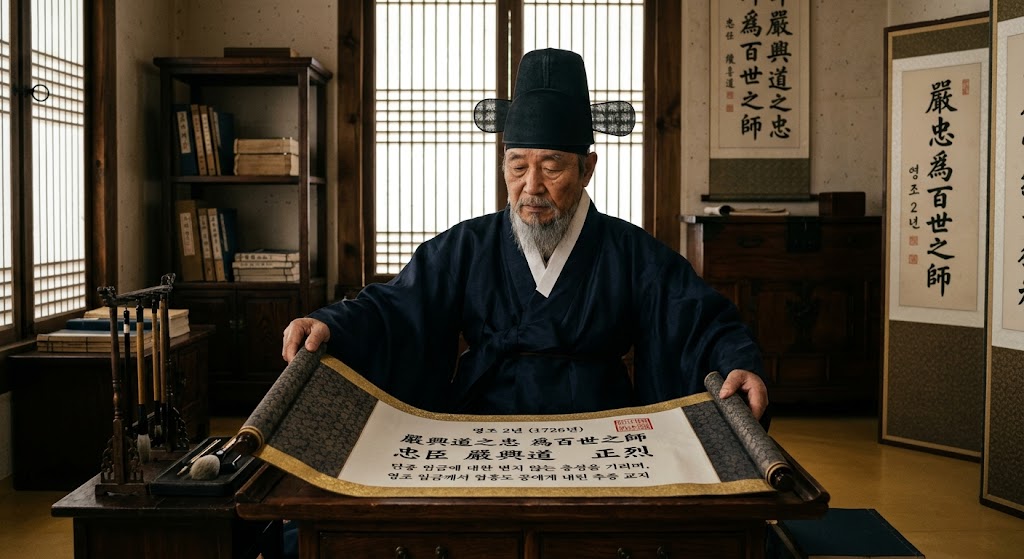
영조 2년(1726년), 영조는 엄흥도의 후손을 찾아내어 그를 정식으로 복권시키고 최고의 예우를 갖추어 추증 교지를 내립니다. 이는 단순히 한 개인의 명예를 회복해주는 것을 넘어, 조선 사회가 지향해야 할 도덕적 가치가 무엇인지를 온 천하에 선포하는 행위였습니다.
"嚴興道之忠 爲百世之師"
[국문 번역]
"엄흥도의 충절은 가히 백세(百世)의 스승이 될 만하도다. 그 옛날, 모두가 화가 미칠까 두려워 숨죽일 때, 그는 한낱 고을의 낮은 신분으로 홀로 의연히 일어나 군부(君父)의 시신을 거두어 예로써 장사 지냈으니, 그 정성은 하늘을 감동시켰고 그 의리는 일월처럼 밝다. 내 이제 그의 넋을 기려 높은 관작을 내리고 가문을 높이니, 후손들은 대대로 이 영광을 간직하고 나라의 기둥이 되라."
3. 교지와 두루마리에 담긴 구체적인 보상과 예우
영조가 내린 두루마리(교지)와 각종 명령에는 엄흥도의 후손들이 실제적으로 누릴 수 있는 파격적인 혜택들이 담겨 있었습니다. 이는 조선 시대 국가가 충신에게 줄 수 있는 최고의 보상이었습니다.
추증 관직
**공조판서(工曹判書)**: 오늘날의 장관급에 해당하는 고위직으로, 사후에 그의 품계를 높여 가문의 위상을 격상시켰습니다.
봉군(封君)
**한창군(韓昌君)**: '군(君)'의 칭호를 내려 왕실과 버금가는 명문가로 공인받게 되었습니다.
정려(旌閭)
**충신문(忠臣門)** 건립: 그의 고향과 거주지에 붉은 문을 세워 누구나 그의 충절을 보게 하였습니다.
자손 음사
엄흥도의 후손들에게 과거 시험 없이 관직에 나갈 수 있는 특권(음직)을 부여하고, 세금을 면제해 주었습니다.
4. 역사적 의의: 충절의 아이콘이 된 엄흥도
영조가 엄흥도에게 내린 이 두루마리 내용은 단순한 종이 한 장의 가치를 넘어섭니다. 영조는 이를 통해 **'의리는 신분을 가리지 않는다'**는 메시지를 던졌습니다. 사대부들조차 자신의 안위를 위해 외면했던 정의를 이름 없는 아전이 실천했다는 사실은 당시 경직되어 가던 조선 사회에 큰 울림을 주었습니다.
현재 영월 장릉 옆에는 영조의 명으로 세워진 **엄흥도 정려각**이 남아 있습니다. 이곳에 보존된 기록과 전해지는 이야기들은 오늘날 우리에게도 시사하는 바가 큽니다. 권력의 눈치를 보지 않고 자신이 믿는 정의를 위해 목숨을 걸었던 한 사람의 진심이, 수백 년 뒤 임금의 마음을 움직이고 역사 속에 영원히 박제된 것입니다.
5. 엄흥도 가문의 후일담
영조의 보답 이후, 영월 엄씨 가문은 '충신 가문'이라는 자부심을 가지게 되었습니다. 영조는 엄흥도의 후손들을 직접 불러 만나보기도 했으며, 그들이 가난하게 살지 않도록 고을 수령들에게 특별히 명하여 살피게 했습니다. 이는 단종의 넋을 위로함과 동시에, 왕권을 강화하고 유교적 충효 사상을 확립하려 했던 영조의 고도의 정치적 행위이자 진심 어린 인간적 예우였습니다.
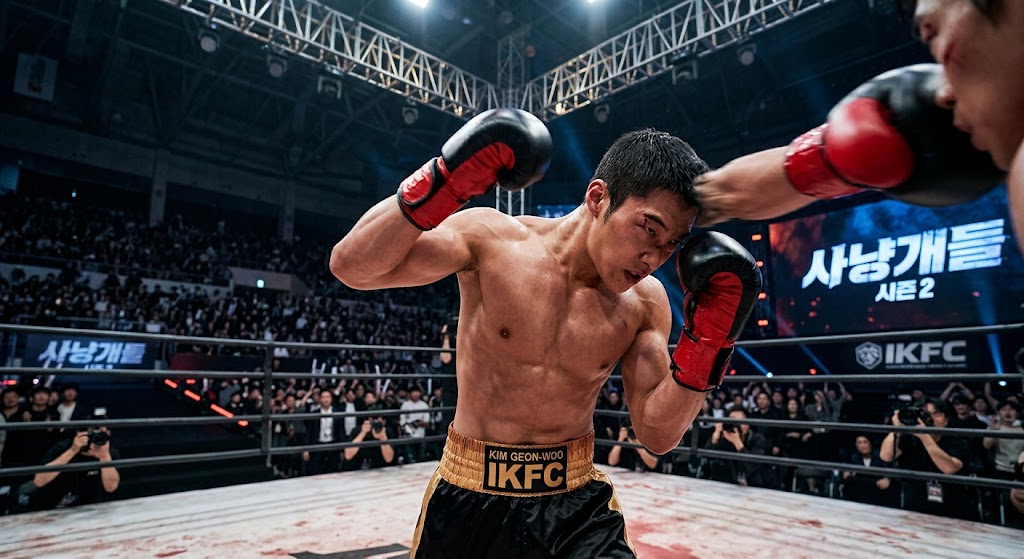
넷플릭스 오리지널 시리즈 <사냥개들(Bloodhounds)>은 공개 직후 글로벌 TOP 10 TV쇼(비영어) 부문 1위를 차지하며 K-액션 드라마의 새로운 지평을 열었습니다. 2026년 현재까지도 강렬한 타격감과 탄탄한 서사로 꾸준히 사랑받고 있는 이 작품의 비결을 분석합니다.
1. 넷플릭스에서의 주요 인기 비결
① 독보적인 '복싱 베이스' 리얼 액션
기존 액션물들이 화려한 카메라 워킹이나 편집 기술에 의존했다면, <사냥개들>은 복싱 본연의 타격감을 전면에 내세웠습니다. 주인공 건우(우도환)와 우진(이상이)이 보여주는 정교한 잽과 카운터, 회피 동작은 시청자들에게 압도적인 시각적 쾌감을 선사했습니다.
② 두 주인공의 완벽한 케미스트리(브로맨스)
우도환의 묵직하고 순수한 매력과 이상의의 능청스럽고 유쾌한 연기가 시너지를 발휘했습니다. 피를 나눈 형제보다 더 진한 우정을 나누는 두 청년의 모습은 액션 사이사이의 서사를 채워주며 팬덤을 형성하는 결정적 요인이 되었습니다.
③ '언더독'이 주는 카타르시스
팬데믹 시기 사채업자라는 거대 악에 맞서 평범한 청년들이 오직 '주먹'과 '정의'만으로 맞서는 구조는 전 세계 시청자들이 공감하기 쉬운 보편적인 권선징악의 메시지를 전달했습니다.
2. 세계인들의 주요 평가
구분
평가 내용
액션 연출
"최근 본 한국 드라마 중 가장 정교하고 리얼한 액션 시퀀스"라는 평이 지배적입니다. 특히 롱테이크 액션 씬은 할리우드 영화와 비교해도 손색없다는 찬사를 받았습니다.
캐릭터성
단순한 영웅이 아닌, 상처를 입고 성장하는 캐릭터들에 대해 깊은 몰입감을 느꼈다는 반응이 많습니다. 악역인 김명길(박성웅)의 압도적인 카리스마 역시 호평의 중심이었습니다.
글로벌 지표
IMDb 평점 8.0 이상, 로튼 토마토 신선도 지수에서 높은 점수를 유지하며 대중성과 작품성을 동시에 인정받았습니다.
"존 윅이 총을 들었다면, 사냥개들은 주먹을 들었다. 그들의 펀치 한 방 한 방에는 청춘의 고뇌와 정의가 담겨 있다." - 해외 평론가 중 -
3. 결론: K-액션의 새로운 표준
<사냥개들>은 단순한 킬링타임용 액션물을 넘어, 한국 사회의 단면을 녹여낸 설정과 배우들의 처절한 피지컬 훈련이 만들어낸 진정성으로 세계를 사로잡았습니다. 이는 향후 제작되는 K-액션 시리즈들이 지향해야 할 높은 기준점을 제시한 것으로 평가받습니다.
A Journey Through History and Serenity in Yeongwol
Introduction
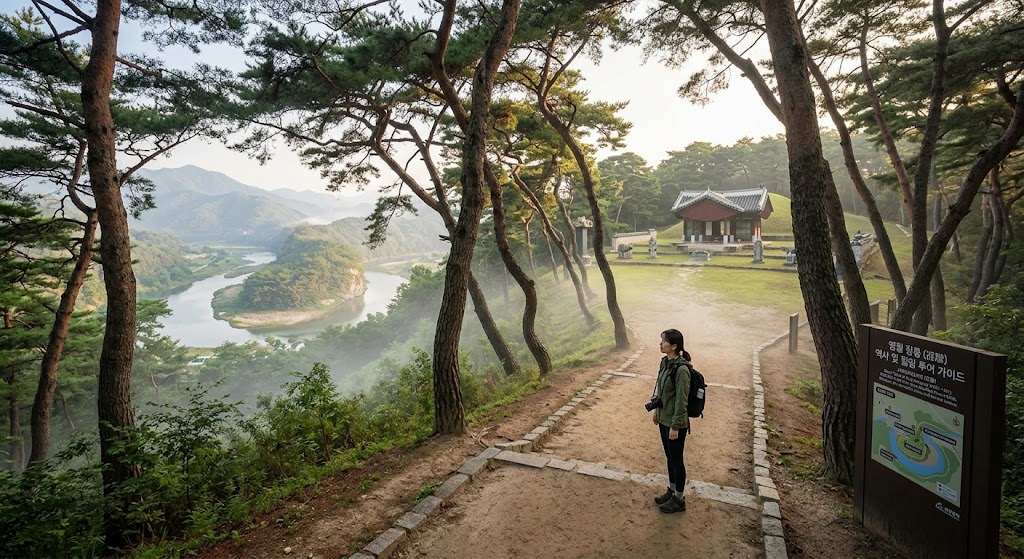
Located in Yeongwol, Gangwon Province, Jangneung is the royal tomb of King Danjong, the 6th monarch of the Joseon Dynasty. As a UNESCO World Heritage site, it offers a unique blend of tragic historical narratives and the tranquil beauty of nature, making it a premier destination for "healing" tourism.
The Tragic History of King Danjong
The story of Jangneung is deeply intertwined with the sorrowful life of King Danjong (reigned 1452–1455). After being usurped by his uncle, King Sejo, the young King Danjong was exiled to the remote hills of Yeongwol and eventually met a tragic death at the age of 17.
"Unlike other royal tombs located near the capital city of Seoul, Jangneung stands alone in the mountains of Yeongwol—a testament to the King’s lonely exile and the loyalty of the local officials who secretly buried him."
The Healing Experience
1. The Forest of Loyalty
The path to the tomb is lined with majestic, ancient pine trees. Local legend says these trees lean toward the tomb, "bowing" in eternal loyalty to the young king. Walking through this forest provides a deep sense of peace and natural aromatherapy (phytoncides).
2. Panoramic Reflection
The tomb itself is situated on a high hill. Climbing to the top rewards visitors with a stunning view of the surrounding mountain ranges and the mist-covered valleys of Yeongwol, perfect for quiet meditation.
Key Sites Within the Complex
Location
Significance
Danjong History Museum
Showcases artifacts and the historical timeline of the King's life and his loyal subjects.
Hongsalmun
The iconic "Red Spiked Gate" marking the entrance to a sacred royal area.
Jeongjagak
The T-shaped wooden pavilion where memorial rites are held to honor the King’s spirit.
Eom Hong-do Memorial
A shrine dedicated to the brave official who risked his life to give the King a proper burial.
Sample 1-Day Healing Itinerary
Yeongwol History & Nature Route
10:00 AM: Start at Jangneung (Pine forest walk and history museum).
12:30 PM: Lunch at Yeongwol Market (Try local buckwheat pancakes or marsh snail soup).
02:00 PM: Visit Cheongnyeongpo (The scenic island-like exile site accessible by boat).
04:00 PM: Explore Hanbando Terrain (The famous cliff shaped like the Korean Peninsula).
07:30 PM: Stargazing at Byeolmaro Observatory (Mountain top views of the stars and city lights).
Visitor Information
Opening Hours: 09:00 – 18:00 (Daily)
Admission: 2,000 KRW for Adults / 1,500 KRW for Youths
Travel Tip: Wear comfortable walking shoes as the path to the royal tomb involves a slight incline.
The Eternal Guardian of the Boy King: The Story of Eom Hong-do
Introduction: A Kingdom Divided
In the long and storied history of the Joseon Dynasty, few tales are as heartbreaking yet inspiring as the life and death of King Danjong, the sixth monarch. It is a narrative of betrayal, political ambition, and the ultimate loss of innocence. However, amidst the darkness of a bloody coup, the figure of Eom Hong-do (엄홍도) shines as a beacon of unwavering loyalty and human decency. His story is not one of high-ranking generals or powerful scholars, but of a low-level village official who chose "Uiri" (loyalty and justice) over life itself.
The Tragedy of King Danjong
King Danjong ascended the throne at the tender age of twelve. His reign was short-lived, eclipsed by the ambition of his uncle, Grand Prince Suyang. In 1455, Suyang staged a coup, forced his nephew to abdicate, and eventually declared himself King Sejo. Danjong was demoted to the rank of Prince Nosan and exiled to Yeongwol, a remote and rugged mountainous region in Gangwon Province.
Yeongwol was a natural prison, surrounded by the deep, swirling waters of the Donggang River and jagged limestone cliffs. It was here, in 1457, that the 17-year-old former king was eventually sentenced to death. On a cold autumn day, Danjong was executed—some say by poison, others say by strangulation—leaving behind a kingdom that was too terrified to mourn him.
The Decree of Terror
King Sejo, knowing that the memory of the young king could spark a rebellion, issued a chilling and absolute decree:
"The body of the deposed king shall be cast away. Anyone who retrieves, mourns, or buries the body shall be executed, and three generations of their family shall be wiped out."
This was the law of Yeonjwa-je (guilt-by-association). It meant that if one man showed mercy to Danjong, his parents, his children, and his grandchildren would all face the executioner’s blade. Consequently, the body of the young king was thrown into the river, and the residents of Yeongwol turned their eyes away in fear, leaving the royal remains to the elements.
Eom Hong-do: The Choice of a Commoner
At the time, Eom Hong-do held the modest position of Hojang (a village clerk or local administrative head) in Yeongwol. While he was a government official, his rank was low, and his influence was minimal. Yet, when he saw the body of the boy king floating abandoned in the cold waters of the Donggang, he was overcome with grief.
His family, sensing his intent, begged him to ignore the sight. "Think of your sons! Think of our family!" they cried. Eom Hong-do responded with words that would echo through Korean history: "How can a subject, who has lived under the grace of the king, ignore the tragic end of his monarch? Even if it means the destruction of my family, I cannot let my king rot in the water."
The Secret Burial and the Miracle of the Deer
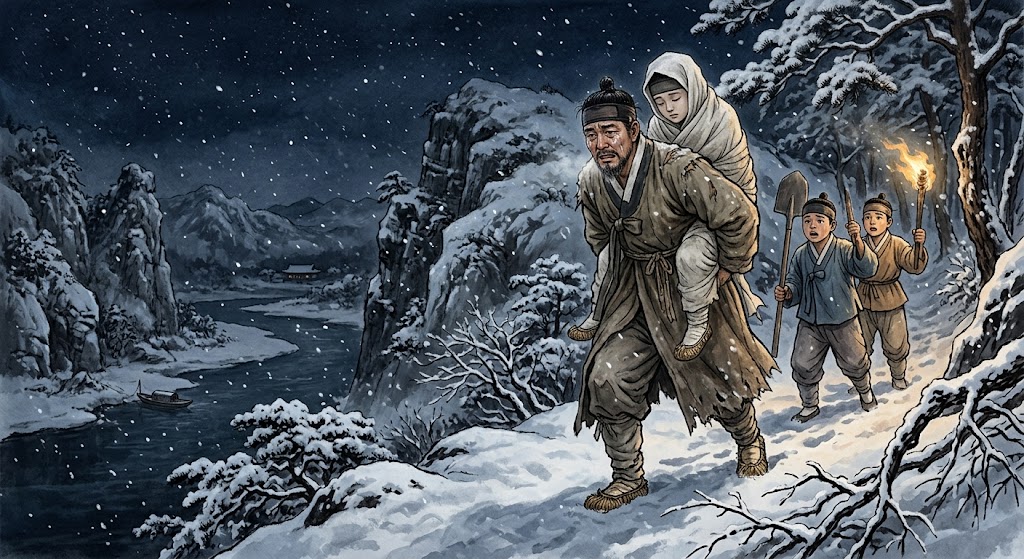
Under the cover of a pitch-black night, Eom Hong-do and his sons secretly paddled into the river. They retrieved the cold, waterlogged body of Danjong and wrapped it in a shroud Eom had prepared in secret. Carrying the king on his back, Eom began the grueling climb up the steep slopes of Mount Dongul.
It was the dead of winter, and the ground was frozen like stone. Eom Hong-do struggled to find a place where he could dig a grave without the noise of his tools alerting the authorities. Legend says that as he reached a certain height, he saw a deer lying calmly in the snow. As Eom approached, the deer vanished. In the exact spot where the animal had been resting, the snow had melted, and the earth was miraculously warm and soft.
Recognizing this as a sign from the Heavens, Eom Hong-do hurriedly buried the king. He offered a final bow and disappeared into the night. This humble grave would eventually become Jangneung, the official royal tomb recognized centuries later.
A Life in Exile
Eom Hong-do knew that his act of defiance could not remain secret forever if he stayed in Yeongwol. Immediately after the burial, he gathered his family, abandoned his home and his title, and fled into the deep mountains of the region. He spent the remainder of his life in hiding, living as a simple farmer under an assumed name.
He traded his life of relative comfort for one of poverty and constant fear, all to ensure that the "King of Yeongwol" was not forgotten by the earth. He died in obscurity, but his story lived on in the whispers of the local people, passed down as a legendary tale of the "Loyal Hojang."
Vindication and Legacy
The story of Eom Hong-do remained a local legend for over two centuries. It was not until the reign of King Sukjong (the 19th monarch) that the political winds shifted. Danjong was posthumously reinstated as a king, and his status was restored. In the process of searching for historical truths, the courage of Eom Hong-do was finally brought to light.
King Sukjong was so moved by Eom’s story that he granted him the title of Gongjo Panseo (Minister of Works) and enshrined him in the Chungminsa Shrine. Today, at the site of Danjong's tomb (Jangneung), there stands a monument dedicated to Eom Hong-do, commemorating his "Sacrifice for Justice."
Conclusion: The Meaning of True Loyalty
In modern times, Eom Hong-do is celebrated as the ultimate symbol of loyalty that transcends power. Unlike the ministers who switched allegiances to save their careers, Eom Hong-do chose the "losing side" because it was the morally right side.
His story teaches us that true greatness is not found in the titles one holds, but in the courage to act when no one else will. By protecting the final dignity of a lonely boy king, Eom Hong-do protected the very soul of his nation's ethics. He remains a towering figure of the human spirit—a man who looked at a death sentence and chose to do what was right, simply because it was right.
조선 제6대 임금 단종은 숙부인 수양대군(세조)에 의해 왕위를 빼앗기고 상왕으로 물러났으나, 성삼문 등 사육신의 단종 복위 운동이 실패로 돌아가면서 노산군으로 강등되어 강원도 영월의 험준한 산세 속으로 유배되었습니다. 1457년(세조 3년)의 일입니다.
당시 영월의 유배지였던 청령포는 삼면이 깊은 강물로 둘러싸여 있고 뒷면은 험준한 절벽인 육지 속의 섬과 같았습니다. 어린 나이에 부모를 여의고 아내와도 생이별한 채 홀로 남겨진 단종은 그곳에서 서러운 눈물로 밤을 지새웠습니다. 하지만 세조의 권력욕은 여기서 멈추지 않았습니다. 금성대군의 복위 계획마저 탄로 나자, 세조는 결국 단종에게 죽음을 명하게 됩니다.
2. 동강에 버려진 시신과 죽음의 공포
1457년 10월 24일, 단종은 결국 17세의 꽃다운 나이에 승하했습니다. 야사에 따르면 사약을 받기도 전에 스스로 목을 매어 죽었다고도 하고, 세조가 보낸 금부도사가 차마 사약을 건네지 못하자 하인이 뒤에서 목을 졸랐다는 참혹한 설도 전해집니다.
단종의 승하 직후, 세조의 명은 서슬 퍼런 칼날과 같았습니다. "역적의 우두머리인 노산군의 시신을 거두는 자는 삼족을 멸하리라."는 엄명이 내려진 것입니다. 단종의 시신은 차가운 동강에 버려졌고, 영월의 어느 누구도 권력의 보복이 두려워 감히 강물에 떠다니는 시신을 쳐다보지도 못했습니다. 왕의 시신이 짐승의 먹이가 될 수도 있는 절체절명의 순간이었습니다.
3. 목숨을 건 엄흥도의 결단
이때 영월 관아의 낮은 관리(호장)였던 엄흥도(嚴興道)가 나타났습니다. 그는 평소 유배 중인 단종을 문안하며 그 가련한 처지를 안타까워하던 이였습니다. 엄흥도는 가문을 멸하겠다는 서슬 퍼런 위협 앞에서도 인간의 도리와 신하의 의리를 저버릴 수 없었습니다.
그는 아들들을 불러 모아 단호하게 말했습니다.
"선을 행하다가 화를 당하는 것은 내가 달게 받을 일이다. 임금의 시신을 이대로 두는 것은 천하의 도리가 아니니, 나는 죽음을 무릅쓰고 일을 행하련다."
엄흥도는 밤의 어둠을 틈타 동강으로 나가 단종의 시신을 몰래 건져 올렸습니다. 미리 준비한 수의를 입히고 작은 관에 모신 뒤, 그는 자신의 지게에 임금의 관을 짊어졌습니다. 가족들과 함께 은밀히 산길을 오르기 시작한 엄흥도의 발걸음은 무거웠으나 결연했습니다.
4. 설화 속에 남은 기적: 녹침지(鹿寢地)
엄흥도가 관을 지고 영월 엄씨의 선산이 있는 비탈을 오를 때였습니다. 때는 한겨울이라 온 산이 눈에 덮여 있었고 땅은 꽁꽁 얼어붙어 있었습니다. 시신을 안치할 적당한 자리를 찾지 못해 애를 태우던 중, 숲속에서 커다란 흰 사슴 한 마리가 나타났습니다.
사슴은 잠시 엄흥도를 바라보더니 눈 속에 엎드려 자리를 잡았습니다. 신기하게도 사슴이 앉은 자리는 눈이 녹아 있었고, 엄흥도가 다가가자 사슴은 홀연히 사라졌습니다. 그곳을 파보니 땅이 따뜻하고 부드러워 삽이 쉽게 들어갔습니다. 엄흥도는 이것이 하늘이 내린 묏자리라 믿고 그곳에 단종의 시신을 가매장했습니다.
이곳이 바로 오늘날 우리가 보는 단종의 능, 장릉(莊陵)의 자리입니다. 사슴이 누웠던 자리라는 뜻에서 '녹침지'라고 불리는 이 전설은 엄흥도의 충심에 하늘이 응답했다는 상징으로 남아 있습니다.
5. 은둔과 고난, 그리고 역사의 복권
장례를 마친 엄흥도는 곧바로 가솔들을 이끌고 영월을 떠나 깊은 산중으로 몸을 숨겼습니다. 그는 평생을 도망자로 살면서도 매일 아침 단종이 잠든 쪽을 향해 절을 올리며 임금을 그리워했다고 합니다. 그의 후손들 또한 '역적의 편을 들었다'는 낙인이 찍힐까 두려워 신분을 숨기고 살아야 했습니다.
오랜 세월이 흘러 조선 중기 이후부터 엄흥도의 충절이 재조명되기 시작했습니다. 선조 대에 이르러 그의 자손들이 세상에 나왔고, 숙종 대에 이르러 단종이 정식으로 '왕'으로 복권되면서 엄흥도 역시 공조판서에 추증되는 명예를 얻게 되었습니다.
참고: 영조 임금은 엄흥도의 충절을 지극히 높게 평가하여 직접 글을 내려 기렸으며, 그의 후손들에게는 대대로 부역과 세금을 면제해 주는 혜택을 주었습니다.
6. 엄흥도가 우리에게 남긴 메시지
엄흥도의 이야기는 단순한 '충(忠)'의 개념을 넘어섭니다. 그것은 강자가 약자를 짓밟고 권력이 진실을 가릴 때, 무엇이 진정한 정의인지를 보여주는 '인간 존엄의 승리'입니다. 그는 말단 관리였지만, 나라의 대신들도 하지 못한 일을 오직 양심의 목소리에 따라 수행했습니다.
영월 동강의 차가운 물속에서 어린 임금을 건져 올린 것은 한 남자의 손이었지만, 그가 지켜낸 것은 우리 역사의 마지막 자존심이었습니다. 오늘날 영월 장릉을 찾는 이들은 화려하지 않지만 단아한 능의 모습에서, 그리고 그 옆에 세워진 엄흥도의 비석에서 시대를 초월한 뜨거운 울림을 느낍니다.